
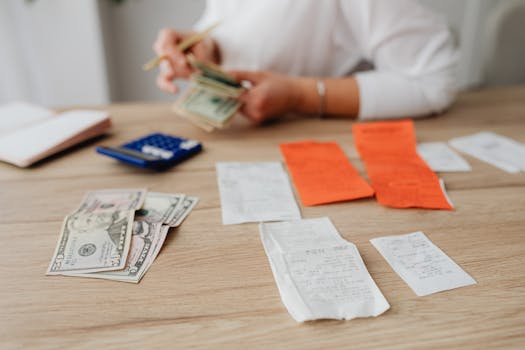
Money Habits That Improve Financial Discipline
Everyone experiences those moments when money seems to disappear faster than it arrives. Developing proper money habits can truly shape how your finances look at month-end.
Financial discipline matters because it brings peace of mind in uncertain times. Consistent actions around spending, saving, and tracking money create a foundation that supports financial goals.
Read on for practical insight and relatable examples of money habits that anyone in South Africa can use to strengthen daily discipline and achieve their financial aspirations.
Setting Up Reliable Routines That Stick
Building strong money habits begins when you create daily routines that are realistic. These reliable rituals help cement financial discipline as part of your normal life.
For example, setting reminders to check your Mobile banking app or organising receipts each weekend becomes a familiar marker in your weekly rhythm.
Morning Money Check-ins: Simple and Effective
Starting your day with a quick account check-in shifts your awareness immediately. Glancing at bank balances takes just a minute and curbs impulse purchases before they happen.
An early dashboard scan becomes second nature. As the habit sticks, you become more proactive about minor errors or unchecked fees, nipping issues in the bud.
Much like checking the weather before leaving home, this daily scan means you’re not caught by surprise. The routine protects your plans, helping your money habits stay automatic.
Weekly Reviews: Building Confidence
Putting aside twenty minutes on a Sunday to check weekly spending creates perspective. Questions like “Did I stick to my grocery budget?” make your progress visible and give insight.
Each review offers a mini celebration or a reality check. Patterns start emerging – perhaps you overspent on coffee but saved on electricity. Noticing small shifts keeps you engaged.
This commitment, when paired with a journal or spreadsheet, turns short reviews into learning sessions. By documenting wins and misses, your money habits adjust each week for better results.
| Routine | Frequency | Action Steps | Immediate Benefit |
|---|---|---|---|
| Morning check-in | Daily | Open app, view balance | Spot errors early |
| Weekly spending review | Weekly | Log receipts, update spreadsheet | Notice overspending |
| Budget planning | Monthly | Adjust categories, track bills | Stay on track with money goals |
| File receipts | Weekly | Organise slips in envelope | Summary helps with refunds and taxes |
| Goal progress check | Monthly | Compare savings to targets | Motivates continued effort |
Applying Simple Saving Habits for Steady Progress
Developing small, repeatable saving habits trains the mind to value long-term reward over short-term desire. Consistency leads to noticeable account growth over time, not just empty promises.
By choosing automatic transfers or rounding up purchases, you guide money out of reach before you even miss it. This tiny barrier is enough to boost your real savings.
Making Smart Choices Daily
Choosing to bring lunch from home saves more than you realise. This daily switch from takeaways to home-cooked meals plants the seed for future disciplined behaviour, too.
Replacing soft drinks with water on outings is another small step that grows over weeks. These actions rely on routine, not willpower, for sustained improvement in your money habits.
- Schedule automatic transfers for payday. It ensures you save before spending, and you won’t feel the pinch by the end of the month.
- Designate a savings container or separate account for spare change—digital or physical. Small additions over weeks produce surprising results at year’s end.
- Round up every purchase and move the difference to savings. Most banking apps in South Africa support automatic round-up features for consistent, no-effort growth.
- Plan purchases and resist impulse buys. Adding things to your cart for 24 hours means you’re only buying what you truly need, limiting regretful spending.
- Track unexpected income (rebates, rewards, and refunds). Assign half to savings to keep windfalls from slipping away with unnoticed expenses.
Steady, conscious steps always win over intention alone. By embedding these saving habits into your lifestyle, your financial discipline naturally tightens by the month.
Mini Wins Build Lasting Momentum
Every time you stick with your saving plan instead of caving to impulse, acknowledge the achievement. This mini-celebration reinforces the positive feedback loop and motivates repeated action.
Certain days might tempt you to skip your transfer or dip into your stash. When that happens, reflect on your progress rather than feeling guilty about tiny slips.
- Tell friends about your savings milestone. Social sharing raises accountability because those around you will cheer you on—even for small wins.
- Write down how skipping a purchase made you feel. Honest reflection helps remind you why the effort is worthwhile when temptation strikes again.
- Leave motivating reminders on your fridge or wallet. A sticky note reading “For my next holiday” focuses your attention on bigger goals instead of fleeting treats.
- Celebrate choice—like making coffee at home with a homemade muffin. Enjoy the experience and know you’re investing saved cash in yourself.
- Visualise the end result. Whether it’s a family holiday or debt-free finish, associating effort with reward keeps you moving forward despite setbacks.
Momentum isn’t random; it’s fuelled by repeated acknowledgement of your progress. Let each small victory fuel the next step in refining your money habits.
Shifting Daily Decisions for Smarter Spending Patterns
Refining your daily approach to spending helps prevent regretful purchases. By learning to pause and question each outflow, you create healthy spending patterns over time.
Intentional habits replace emotional spending. Each conscious choice brings you closer to a reliable, predictable financial routine that’s easy to maintain.
Creating a Personal Pause Button
Before any discretionary buy, insert the pause: “Will I still want this tomorrow?” If tomorrow’s answer is no, money habits evolve for the better.
Implement a thirty-minute buffer before big buys. Set a timer and step away; this distance disrupts that flash of excitement and removes impulse pressure.
Keeping a wish list instead of adding items straight to your basket builds a catalogue of desires. Review it weekly to spot priorities, not passing whims.
Documenting Your Reasons and Triggers
When tempted to buy outside your plan, jot down the reason. Is it boredom, stress, or genuine need? This single note builds awareness of what triggers your spending.
Check if your reaction fits your current priorities, like focusing on essentials or saving for an event. Reviewing this process even monthly highlights the real drains on your cash flow.
Link each purchase decision back to one of your goals. This practice aligns actions with intentions, a crucial element for strengthening your daily money habits.
Conclusion: Cultivating Money Habits for Genuine Financial Growth
Practising disciplined money habits transforms your financial landscape one decision at a time. The choices and rituals outlined here turn intention into sustainable progress without relying on perfect willpower.
Pausing before purchases, celebrating saves, and tracking wins create lasting discipline. Simple routines, when done consistently, change your mindset and boost your financial confidence steadily.
Carve out your own unique money habits, adjust as needed, and remember that discipline flourishes through daily action. Every rand, no matter how small, counts toward building a resilient financial future.