
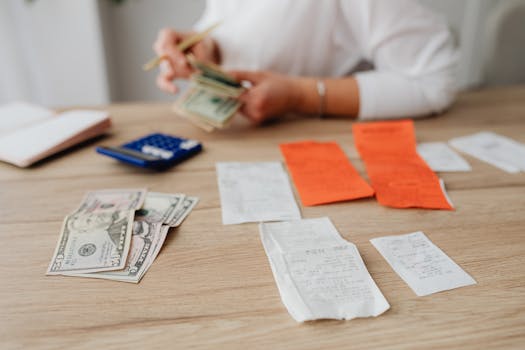
Financial Routine Habits for Managing Money Efficiently: Simple Actions That Change Your Finances
Money management never feels effortless, but adopting the right financial routine habits can change everything. Consistency, rather than luck, determines whether budgets work and savings grow over time.
The daily actions people take with their money create stability and reduce stress, allowing for easier decision-making and clear future plans. Little habits matter more than big, infrequent changes.
Explore these practical, South Africa-specific steps for incorporating financial routine habits. Make your money work for you, not the other way around, by taking clear and persistent action every day.
Money Habits That Improve Financial Discipline Step by Step
Building trustworthy money habits helps you keep spending under control and makes financial goals achievable. From daily tracking to scheduled reviews, discipline comes from repeating small, visible steps.
Apply a consistent schedule to your spending, like setting reminders for bill payments and tracking your cash flow each morning. Soon, these habits feel natural, supporting financial routine habits.
Defining and Tracking Weekly Money Activities
Start with a realistic approach: jot down your expenses every Sunday evening. This lets you identify problem areas early and correct course quickly, preventing unwanted shocks at month-end.
When you use a dedicated notebook or a smartphone app, add a few minutes after each transaction. Say, “Let me just update my tracker,” before moving on with your day.
Treat this habit like brushing teeth—automatic, brief, and crucial. Recognise the small feeling of accomplishment each time you mark a payment or log an expense for the week.
Scripted Weekly Bill Checkups
Set a repeating calendar reminder marked “Bills Review” every Friday. Sit down at a consistent time, like during Saturday morning coffee, and open your bank account dashboard for a quick check.
Read each transaction aloud: “This payment, this debit order,” reviewing for errors or forgotten deductions. If anything looks off, immediately note it for investigation or follow up with your bank.
Once checked, physically tick off a list or text a partner with, “Bills sorted for the week,” for accountability and extra motivation. This builds reliable financial routine habits.
| Habit | Frequency | Ease of Start | What to Do Next |
|---|---|---|---|
| Log expenses | Daily | Very easy | Buy a small notebook, write first entry tonight |
| Review bills | Weekly | Moderate | Set a calendar reminder for Friday |
| Track goals | Monthly | Easy | Print your goal list, stick it on the fridge |
| Spend check-in | When shopping | Very easy | Pause before buying, ask “Do I need this?” |
| Bank reconciliation | Every 2 weeks | Moderate | Block out 30 minutes biweekly, match receipts |
Saving Habits That Strengthen Personal Finances Directly
Automatic savings remove the guesswork from building a solid emergency fund. Setting clear amounts upfront frees your mind and ensures progress, even in slow months.
Consistent savings reflect a strong commitment to your well-being. Emphasising this pillar of financial routine habits brings peace of mind during uncertain times.
Scheduled Saving and Transfers
Automate a fixed transfer into your savings account just after payday using your online banking portal. Treat this as a “non-negotiable” transaction—one you never skip.
A person might tell themselves, “This is for future me,” as they schedule the transfer, knowing each contribution adds up, even if it feels small today.
- Set a calendar alert the day after payday to check savings status. This verifies the transfer went through, keeping you in control of your financial routine habits at all times.
- Open a dedicated, fee-free savings account to separate savings from spending funds, making it harder to dip into these reserves impulsively.
- Name your savings accounts by purpose, such as “Emergency Fund” or “Holiday,” to keep motivation high and track progress visually every month.
- Assess monthly whether you can increase your transfer by R50–R100. Increasing gradually keeps goals realistic and builds confidence over time.
- Notify your accountability partner when the transfer is complete. A quick “Savings done!” message creates a streak mentality that supports financial discipline year-round.
Reviewing and reinforcing these steps regularly makes savings growth automatic, not optional.
Handling Unexpected Expenses Without Derailing Progress
Allow for occasional withdrawals from your savings by adding a “Buffer” line in your budget. This flexibility prevents guilt and maintains long-term commitment to saving habits.
Restock the buffer after accessing it by using any extra income, like bonuses or refunds, rather than skipping your next planned savings transfer.
- Log buffer withdrawals in your savings tracker. Noting the reason helps to spot trends and adjust future budgets with greater accuracy and honesty.
- Set a simple rule: only touch buffer funds once per quarter. This reduces impulse decisions and forces more strategic planning, reinforcing financial routine habits.
- Acknowledge when the buffer runs low and make it a mini-goal to top up. Celebrate each month you finish with the buffer untouched.
- Replace buffer funds before returning to optional spending. For example, funnel cash gifts into the buffer before using them for treats or entertainment.
- Share short updates with your accountability partner after using or replacing buffer funds. Mutual support boosts perseverance when faced with setbacks.
Keeping a clear structure for unexpected expenses maintains trust in your system and consistency in your savings journey.
Smart Spending Habits for Financial Balance in Everyday Life
Learning to say “no” at the right time prevents regret later. Use smart spending habits to align your money with your true values—every purchase should pass the relevance test.
Update your regular shopping list with only planned items. Never walk into a shop without knowing exactly what you’ll buy, making impulse purchases less likely.
The “Pause and Review” Shopping Sequence
Before finalising a buy, pause for five seconds. Place the item down, look away, and ask yourself, “Does this match my plan for the month?”
This step uses social proof if you say it aloud in a shop with someone else: “Let’s check if it’s on my list.” Take a quiet moment to decide honestly.
If you answer “yes,” go ahead, adding the item’s cost to your expense tracker. If “no,” write down the item for next month’s wishlist—never buy it on the spot.
Tracking Small, Regular Purchases for Awareness
Keep a visible log of microspending: coffee stops, magazines, or last-minute takeaways. Tally weekly, not just monthly—small totals stack up quickly.
Say, “Let me add this to my tally,” after any casual buy. Review the log Friday evenings to identify optional or duplicate spends, then choose one area to reduce in the next week.
By focusing on daily choices, you build smart spending habits as a core element of financial routine habits. Awareness prevents unconscious overspending and helps reach long-term financial targets faster.
Daily Money Habits That Build Financial Awareness Effectively
Opening your online banking every morning, just before reading the news or emails, creates ongoing awareness of your financial position. This habit reduces anxiety and boosts confidence.
Mark successful, repeated daily routines—like recording yesterday’s expenses—with a daily tick on your planner. Celebrating small wins matters for habit-building momentum.
Building a Gentle Daily Review, Not a Stressful Audit
Dedicate three minutes each evening to scan your spending for the day. Sit comfortably, play calming music if needed, and view it as a positive, low-pressure reflective activity.
Read your current balance aloud, acknowledge any surprises, and choose one thing you could change for tomorrow. “Next time, I’ll bring lunch,” is actionable and concrete.
This micro-review cements financial routine habits and makes improvement enjoyable, not just a chore. Share highlights with your family or a friend for encouragement and feedback.
Mindful Cash Handling for Day-to-Day Clarity
Withdraw only the weekly cash amount you’ve planned. Place it in a labelled section of your wallet or purse—separating “spending” notes from “emergency” ones visually.
Announce your intent, like, “This is my breakfast and taxi money for the week,” as you allocate cash. When finished, pause before using digital payments instead of topping up with more cash impulsively.
This keeps your spending decisions deliberate and matches your plans, helping reinforce positive daily money habits and responsible financial routine habits.
Budget Habits for Long-Term Financial Stability That Anyone Can Start
Set budgeting sessions for the same day each month, like the first Saturday. Use a basic spreadsheet or pen and paper; tools don’t matter as much as routine.
Finalise your budget with a visible “sign-off” ritual—such as writing “Approved” and your name at the bottom. Physical actions reinforce long-term financial routine habits.
Resetting Budgets After Surprises
When large, unplanned expenses happen—like car repairs—promptly revisit and update your budget. List the new amount, mark the reason, and distribute the extra cost across less urgent categories.
Script: “R800 for the car, so I’ll reduce entertainment this month. Done.” Accepting changes calmly protects your progress and keeps you motivated for next month’s review.
Monthly recalibration makes your budget resilient, not fragile, strengthening long-lasting budget habits within your set of financial routine habits.
Monthly Goal Review and Recommitment Process
Print your main yearly goals and place them somewhere visible—such as on your cupboard or fridge. At month-end, review progress by marking each achieved step with a bold tick.
Share a one-sentence update with a trusted friend: “Hit my target for May!” Celebrate with a non-financial reward, like a relaxing Saturday or favourite book, linking effort with satisfaction.
This process keeps your financial routine habits alive as goals change, turning setbacks into opportunities for sustained growth.
Consistent Saving Behaviour for Financial Security That Lasts
Choose a regular savings day, like the 25th, and treat it as “locked in” on your calendar. Consistency creates predictability and turns saving from a choice to a routine.
Announce your intent each month, even if just to yourself: “Today’s my savings day.” Over time, this tradition cements consistent saving behaviour and builds long-term financial security.
Responsible Spending Patterns for Better Money Control
Designating a weekly “no-spend” day, such as Sunday, resets your habits. Use this pause to evaluate needs versus wants, improving control through small, manageable restrictions.
Reflect at the end of each no-spend day: “I made tea at home and skipped snacks, which added up.” Reward yourself with a free treat, like a movie night at home for more balance.
Financial Routine Habits for Managing Money Efficiently: Everyday Changes That Add Up
Consistently tracking expenses, scheduling saving, and creating practical budgets turn money management into a manageable, even enjoyable, part of life. Every action counts.
Financial routine habits work because they offer touchpoints for reflection, realignment, and goal setting. Each conscious step builds confidence, security, and control for your household.
Start today, even if with one room of your home or a single habit. Progress grows with practice and visible, repeated actions. Share your journey and inspire others to begin as well.