
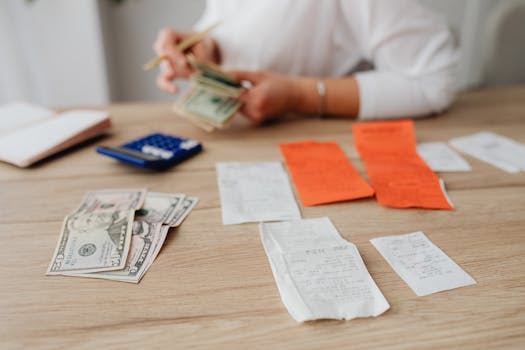
Personal Finance Habits That Improve Budget Control
Getting a handle on budget control can feel overwhelming at first, especially when expenses seem to pop up everywhere you look. Without structure, money easily slips through the cracks. Good personal finance habits, though, guide daily choices in a positive, empowering way.
Establishing clear routines around your money gives you greater confidence about what you earn, spend, and save. When you track, plan, and adjust, each financial move serves your bigger goals, not fleeting impulses.
Stick with this article to discover practical strategies. You’ll see how routines, simple checklists, and real-world scripts can make personal finance habits automatic, not stressful.
Money Habits That Improve Financial Discipline
Building better financial discipline starts with the way you treat every rand. Embracing personal finance habits makes daily decisions second nature, curbing temptation and boosting peace of mind.
Setting clear personal goals – like “spend under R1500 on groceries” – becomes possible with small, repeatable steps woven into your routines. These habits gradually lead to far less financial stress.
Using Automation: Make Good Decisions Default
Direct deposit and debit orders are your secret weapon against forgetting to save. Set up automatic transfers for your main financial priorities right after payday.
Think of automation as a gardener setting up a drip system—small, regular effort keeps things growing. You won’t have to micromanage each rand to make solid progress.
Your future self will thank you! With less manual effort, you can focus on tweaking plans, not chasing missed payments or forgotten transfers.
Visual Reminders: Keep Goals In Sight Daily
Placing a savings chart on your fridge or a digital reminder on your phone nudges your spending choices throughout the week. Out of sight means out of mind.
Every time you see your progress, you reflect on your real goals, not the next tempting sale. That visual keeps your personal finance habits front and centre.
Update your chart weekly to track improvement. Celebrate milestones with a small reward or an encouraging note that reinforces the purpose of your effort.
| Habit | Automation Tactic | Visual Reminder | What To Do Next |
|---|---|---|---|
| Savings | Automated transfer | Fridge savings chart | Set transfer on payday, update chart weekly |
| Rent | Debit order | Calendar alert | Check statement monthly, confirm payment success |
| Groceries | Weekly envelope system | Wallet tracker | Replenish budgeted cash each week, log spends nightly |
| Utilities | Debit order for billing | Email statement alerts | Read all alerts, flag exceptions for review |
| Emergency Fund | Fixed monthly transfer | Progress bar graphic | Transfer first, check bar on payday, adjust as needed |
Saving Habits That Strengthen Personal Finances
Developing robust saving habits transforms how you respond to surprises, opportunities, or setbacks. These routines shield your future while also increasing everyday stability.
By prioritising personal finance habits like systematic saving, you put yourself in a position to respond calmly, without panic or regret.
One-Account Strategy: Consolidate and Track Effortlessly
Opening a dedicated savings account that is strictly separated from your spending account makes discipline easier. Only move money from it for the original purpose.
Think of this like having a locked lunchbox just for tomorrow—no dipping into your best intentions today. You’re less tempted to undermine your future plans.
- Schedule automatic monthly deposits into your savings account; it removes daily decision fatigue and makes saving consistent without relying on memory or willpower.
- Adjust the deposit amount during salary increases for an effortless upgrade in personal finance habits. A small boost each raise leverages your progress.
- Nickname your savings accounts with specific goals, e.g., “Holiday Fund” or “Emergency Repairs”, to create an emotional cue that helps resist casual withdrawals for unrelated needs.
- Set short-term challenges like “no takeaway for a month, transfer R400 to savings” to reinforce discipline and celebrate progress with visible markers.
- Review your account activity on Sundays to see what worked well in the week, giving you actionable feedback for refining personal finance habits.
Seeing purpose and progress builds internal motivation. Every deposit you make feels deliberate and builds a sense of achievement.
Prevent ‘Just This Once’ Spending: Use Commitment Devices
Tell a friend or partner your savings plan in exact numbers, then check in together at month-end. Share your progress directly—it keeps excuses in check.
Promise yourself a non-financial treat (like a hike or movie night at home) if you stick with transfers. By rewarding follow-through, these personal finance habits feel practical, not restrictive.
- Draft a saving commitment email to yourself at the start of the month with your target. Open it at month-end as a self-check and adjust the following month’s goals.
- Use a calendar event reminder titled “Savings Check-in” as your end-of-month cue to review balances and update next month’s amount.
- If tempted to skip a transfer, write down your reason. Seeing it in writing helps you step back, reconsider, and stick to positive saving routines.
- Create “spending blockers” by moving leftover money to your savings at week’s end, not the end of the month, to avoid accidental spending.
- Pair your savings with a positive memory, like transferring just after a favourite meal, to create a positive association and smooth out effort.
Protecting your savings from impulse moments becomes easier and more rewarding this way. Tie these checks to existing routines for seamless discipline.
Smart Spending Habits for Financial Balance
Smart spending habits help you stretch your rands further without leaving you feeling deprived or guilty. Every purchase should bring satisfaction, not regret.
Build a script for evaluating purchases: “Do I need this, can I afford it, and will I use it?” This three-step check guides healthy personal finance habits daily.
Weekly Review Ritual: Spot Waste Fast
Set aside Sunday evenings for a ten-minute spending review. Pull up bank and credit bills, glance line by line, and mark any regrets or surprises.
Pair this with a physical gesture—such as circling transactions with a highlighter or tapping them on your phone. This tangibility makes personal finance habits stick.
Each week, identify one category where you could cut back by 5%. Email yourself the change, and repeat the process next week for steady progress.
Wishlist Waiting Period: Pause & Rethink
Before new, non-essential buys, add them to a 48-hour wishlist. Revisit after two days and check if the desire lasted. You’d be surprised how many fades.
If the item still feels necessary, compare options and look for discounts before buying. If not, intentionally remove it from your list to reinforce mindful choices.
This gap between impulse and action becomes a crucial personal finance habit, reminding you to make thoughtful use of every rand spent.
Budget Habits for Long-Term Financial Stability
Strong budget habits create a clear structure that helps you plan confidently for each month and future needs. By sticking to regular check-ins, you eliminate surprises that derail goals.
Create a “spending baseline” at the start of every month. This is a simple list of expected income and fixed bills—think “What’s coming in, what must go out first?”
Monthly Reset: Update and Adjust Proactively
Choose the first Saturday morning of each month to reset your budget—not just by editing numbers, but by reviewing what worked or didn’t last month.
List your top overspends with concrete reasons. Was it a special occasion, or did the grocery budget underestimate rising prices? Build adjustments into this month’s number from these insights.
- Colour-code budget lines to highlight problem areas quickly and visually. Red flags spending drifts and green shows improvement, so trends become impossible to ignore.
- Set a budget calendar alert two weeks before big bills, not just on due date. This avoids last-minute stress and allows time to fix income gaps in advance.
- Break annual expenses, like car insurance or school fees, into monthly “mini-payments” to spread the impact out, making long-term planning part of your personal finance habits.
- Pair budget reset with a family or partner chat, so everyone’s aware and on board. This eliminates miscommunications about priorities and planned changes.
- If you run under budget in any category, immediately transfer the leftover to a savings account so your success reinforces itself and locks in positive routines.
Monthly resets keep your financial roadmap honest and flexible. Use colour codes and reminders to simplify what might otherwise feel dull.
Scenario Story: When Income Drops Unexpectedly
Suppose your monthly income falls for a month. Tweak your budget immediately—cut back on less essential expenses, freeze non-urgent spending, and revisit savings transfers.
Say aloud, “R1000 less means I pause restaurant visits this month and postpone new clothing until next payday.” Stick this plan on your fridge as a visible anchor.
- List three categories to pause or reduce instantly; check progress on weekends by updating your tracker. This keeps response time short and your new plan visible.
- Call your mobile or utility provider to ask about payment extensions if cash flow is tight. This practical step reduces anxiety and models financial responsibility habits for your household.
- Set a daily reminder to review account balances and tally spending while your finances recover. This keeps you motivated to stick with budget tweaks rather than revert to old routines.
- Meet with a trusted friend or family member weekly to update on your plan. Accountability increases your commitment to following through and boosts confidence.
- Each week, celebrate sticking to your adapted plan with a small at-home treat, reinforcing the reward value of these new personal finance habits.
Quick, concrete responses to changes let your budget breathe rather than break, fostering resilience and bigger-picture thinking in your personal finance habits.
Daily Money Habits That Build Financial Awareness
Integrate small, regular actions into your day to raise awareness about where your money really goes. These habits serve as gentle reminders to align spending with your priorities.
Try recording all cash outlays on a phone memo or small notebook throughout the week. At week’s end, total your entries for an eye-opening view of forgotten spending leaks.
Receipt Snapshots: Instant, Visual Recordkeeping
After every shop, take a photo of your receipts with your phone. Create a monthly photo album titled “Purchases June” for quick review later.
This habit makes it easy to spot trends and problem areas—you see evidence at a glance, not vague recollection. Personal finance habits like this anchor mindful spending all month.
Apply the “Is this purchase necessary?” script—speak it aloud as you file away your snapshot. Linking words to action cements control over impulse spending.
End-of-Day Review: Build in Reflection
Spend two minutes each night before bed reviewing three main expenses of the day. Name each purchase and rate it as “worthwhile” or “avoidable.”
Use the data to plan tomorrow’s spending better. If several “avoidable” marks show up, try setting a daily cash limit for the upcoming day.
Routinely applying this feedback loop is a cornerstone of successful personal finance habits and leads naturally to more intentional financial decisions.
Conclusion: Personal Finance Habits as a Foundation for Greater Control
Building and maintaining strong personal finance habits provides structure, discipline, and a real sense of financial progress. These tools form a reliable system for facing both routine expenses and surprises.
Applying these habits not only strengthens your budget today, but it also empowers you to face future changes with less stress and more confidence. Consistency gives the power to adapt.
Choose one new habit this week. Try it, tweak it, and add it to your routine. Over time, small daily actions transform budget challenges into achievable steps for lifelong financial wellbeing.