
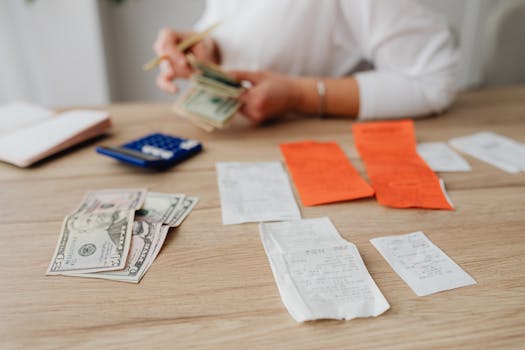
Financial Discipline Habits for Sustainable Money Management
Many people struggle to keep their budgets stable month-to-month. It’s not just about income—your actions and financial discipline habits create lasting security and confidence.
Money management should feel purposeful. Without practical systems, spending and saving can get muddled. Strong discipline habits make your finances less stressful and your goals more achievable.
This article unpacks specific, everyday financial discipline habits that help South Africans protect, grow, and sustain their money over the long run. Let’s explore what really works.
Money Habits That Improve Financial Discipline
The right money habits immediately clarify where your money goes and keep you on track. Starting simple helps you gain momentum and build real discipline step by step.
Tracking daily expenses, reviewing bank statements, and scheduling payment reminders can anchor financial discipline habits. These small routines make a big difference in the long term.
Daily Spending Check-ins Create Awareness
Each evening, look over your purchases for the day. Use a notebook or mobile app to record each amount. A two-minute check-in makes financial discipline habits a visible part of your routine.
When spending feels “invisible,” it’s easier to ignore the totals. Reviewing daily helps you spot patterns and catch issues before they snowball. Say, “I notice I overspent on snacks. Tomorrow, I’ll pack my lunch.”
This simple step reduces anxiety by showing exactly where your money went. Confidence grows as you see your discipline habits in action every day.
Monthly Reviews Shape Your Next Steps
Once a month, spend 20 minutes reviewing your transaction history. Highlight recurring payments, one-off expenses, and impulse buys. Rank each from essential to avoidable.
If you see too much going to fast food, create a rule: “No takeaway from Monday to Thursday.” This is a classic financial discipline habit with immediate payoff.
Regular reviews sharpen your instincts, help you course-correct in real time, and anchor your goals in real numbers, not just wishes.
| Habit | Time Needed | Benefit | Action Step |
|---|---|---|---|
| Daily Expense Check | 2 min | Awareness | Note each expense by 20:00 |
| Weekly Budget Review | 10 min | Prevents overspending | Compare forecast vs. actual |
| Monthly Savings Update | 15 min | Measures progress | Log savings in a spreadsheet |
| Payment Reminders | 1 min | Avoid late fees | Set app notification |
| Quarterly Goal Setting | 20 min | Strategic planning | Choose one realistic saving goal |
Saving Habits That Strengthen Personal Finances
Building a savings routine protects against emergencies and keeps dreams in reach. The best financial discipline habits make saving automatic—and less tempting to spend.
Small, regular contributions add up faster than you expect. Consistent saving helps weather tough months and opens up long-term options like investments or big purchases.
Automate Savings for Consistency
Set up a monthly transfer to a dedicated savings account as soon as your salary arrives. Treat this like a fixed bill: “Savings come first, even before groceries.”
This removes the urge to spend before saving. If the money moves out automatically, you avoid the “I’ll save what’s left” trap that derails many discipline habits.
- Set bank standing orders to automatically move funds every payday, ensuring your savings goal is always met and not forgotten after expenses.
- Start with a modest amount—R100 or R200 per month—to avoid stress. Increase it only when comfortable to maintain long-term financial discipline habits.
- Open a separate savings account with no card access to reduce temptation. Out of sight really can mean out of mind, safeguarding your emergency fund.
- Send windfalls, like bonuses or tax refunds, straight to savings. This accelerates your financial buffer and strengthens the discipline habit.
- Review and adjust the automatic savings amount every six months to suit life’s changes while keeping the habit steady and relevant.
Automating savings acts as your silent financial partner, always working in the background to build resilience and security.
Reward Small Wins to Build Motivation
Recognise progress in your savings habit. Mark milestones in your calendar and celebrate with a low-cost treat. Even a coffee out acknowledges growth.
- Create a visual tracker, like a colouring chart, to see your savings grow. This tangible measure turns discipline habits into positive feedback loops.
- Share milestones with a support buddy who understands your goals, creating accountability and encouragement for continued financial discipline habits.
- Let yourself enjoy planned splurges when a big milestone is hit—this keeps the habit enjoyable and sustainable in the long run.
- Always reflect on how small choices add up by reviewing your tracker once a month. Celebrate even the small wins as steps towards stability.
- If you dip into savings for a genuine emergency, thank yourself for preparing. Reframe any setback as proof your system works, then restart contributions immediately.
Consistent, realistic rewards strengthen the foundation for sustainable financial discipline habits in every part of your money life.
Smart Spending Habits for Financial Balance
Making mindful purchases gives you financial control rather than regret. Smart spending is about clear guidelines and real-time, on-the-ground decision-making—habit, not willpower.
Replace impulse buys with conscious choices to protect your budget from leaks. The habit of asking, “Do I really need this now?” saves money and builds discipline quickly.
Pause Before You Purchase
Before buying anything not on your shopping list, pause for two minutes. Hold the item and ask yourself, “Will I still want this tomorrow?”
If the answer isn’t a definite yes, put it back and walk away. This works at supermarkets or online, breaking the habit of instant gratification and supporting long-term financial discipline habits.
Over time, these mindful pauses reduce clutter, limit buyer’s remorse, and help you prioritise needs over fleeting wants.
Set a Weekly Spending Allowance
Allocate a fixed cash allowance for snacks, transport, or treats each week. Track by envelope, debit card sub-account, or mobile app.
When the envelope or account is empty, spending stops. This visible limit reinforces your financial discipline habits, creating real respect for your own boundaries.
This approach mirrors the “envelope method,” a proven way to cap discretionary spending without feeling deprived or guilty.
Consistent Saving Behaviour for Financial Security
Organising your savings strategy provides crucial safety when unexpected expenses arise. Acting consistently, not just in crisis, delivers durable security and peace of mind.
Consider your savings the cornerstone for every other financial discipline habit. Protecting it each month teaches you to live within your means and plan for bigger goals.
Split Savings into Purposeful Pots
Create separate accounts or “pots”: one for emergencies, one for medium-term needs (like school fees), one for long-term growth. Assign amounts and transfer funds at the start of the month.
Label each pot clearly with its aim. Example: “Medical Fund: R200/month.” This clarity stops you from raiding savings impulsively.
If an emergency occurs, use only the relevant pot. Afterwards, assess how well you estimated the amount and tweak your contribution next month to stay on track.
Attach Savings to a Positive Identity
Say, “I’m someone who saves for peace of mind,” instead of just “I’m trying to save.” This mindset turns financial discipline habits into an identity you’re proud to uphold.
Share your new identity with a close friend or family member for accountability. This subtle social contract strengthens your commitment to stick with your saving behaviour.
When doubts arise, remind yourself of your identity and review past successes, no matter how small, to reconnect with your discipline.
Practical Saving Routines for Household Stability
Family budgets require practical, reliable routines so everyone feels secure. Discussing shared goals regularly makes financial discipline habits a team effort, not a solo struggle.
Assign roles in the household. One person tracks expenses, another plans weekly meals, and together you agree on savings targets each month.
Hold Monthly Family Money Meetings
Schedule a set date—first Saturday of each month—to sit down with your partner or family. Share updates, unexpected expenses, and review progress towards shared goals.
If a child receives pocket money, involve them by asking, “What would you like to save for this month?” This fosters discipline habits early on and builds financial confidence for life.
End each meeting with one specific action for everyone. For example, “This month, let’s lower electricity costs by 10% and put the savings into our holiday jar.”
Meal Plan to Stretch Budgets Further
On Sundays, write down the coming week’s menu based on supermarket specials. Prep most meals ahead, so less food (and money) goes to waste.
Assign prep tasks to different household members. This team approach supports financial discipline habits and gives everyone ownership, making the routine more likely to stick.
At the end of the week, review how well the plan worked and adjust shopping lists for next time to cut down on last-minute purchases.
Responsible Spending Patterns for Better Money Control
Structured shopping habits make it easier to resist sales pressure and unnecessary expenses. Repeating a few guiding phrases helps create automatic responses that shield your budget.
Use scripts such as, “I’m only buying what’s on my list today,” or “Let me check my budget first before deciding.” Speak these aloud to reinforce the habit.
Set a Personal Purchase Approval Rule
Create a rule for non-essential purchases: “If it costs more than R250, I ask someone else for their opinion before buying.”
This pause introduces a social check. You’re less likely to spend impulsively if you have to explain your reasons.
After consulting, wait 24 hours before making the purchase to ensure it still seems worthwhile. This delay breaks the lure of instant gratification.
Analyse “Wants” Versus “Needs” with a Simple Checklist
Before any purchase, ask yourself three questions: “Is this a want or a need? Will this improve my life short-term or long-term? Does it fit my current budget?”
If more than one answer is uncertain, skip the purchase. Apply this decision tool in-store or while shopping online for greater impact.
Keep a mini checklist in your wallet or on your phone screen as a constant reminder to reinforce these financial discipline habits.
Conclusion: Building Sustainable Financial Discipline Habits
Building a secure future relies on steady, realistic financial discipline habits. Each action—from daily tracking to purposeful saving—lays a foundation for prosperity and confidence.
Establishing these habits doesn’t have to feel daunting. Start small, repeat consistently, and review your progress monthly to refine your approach and cement your self-reliance.
Sustainable money management isn’t about perfection, but about continual, purposeful improvement. Each step today plants the seeds for long-term financial freedom and peace of mind.